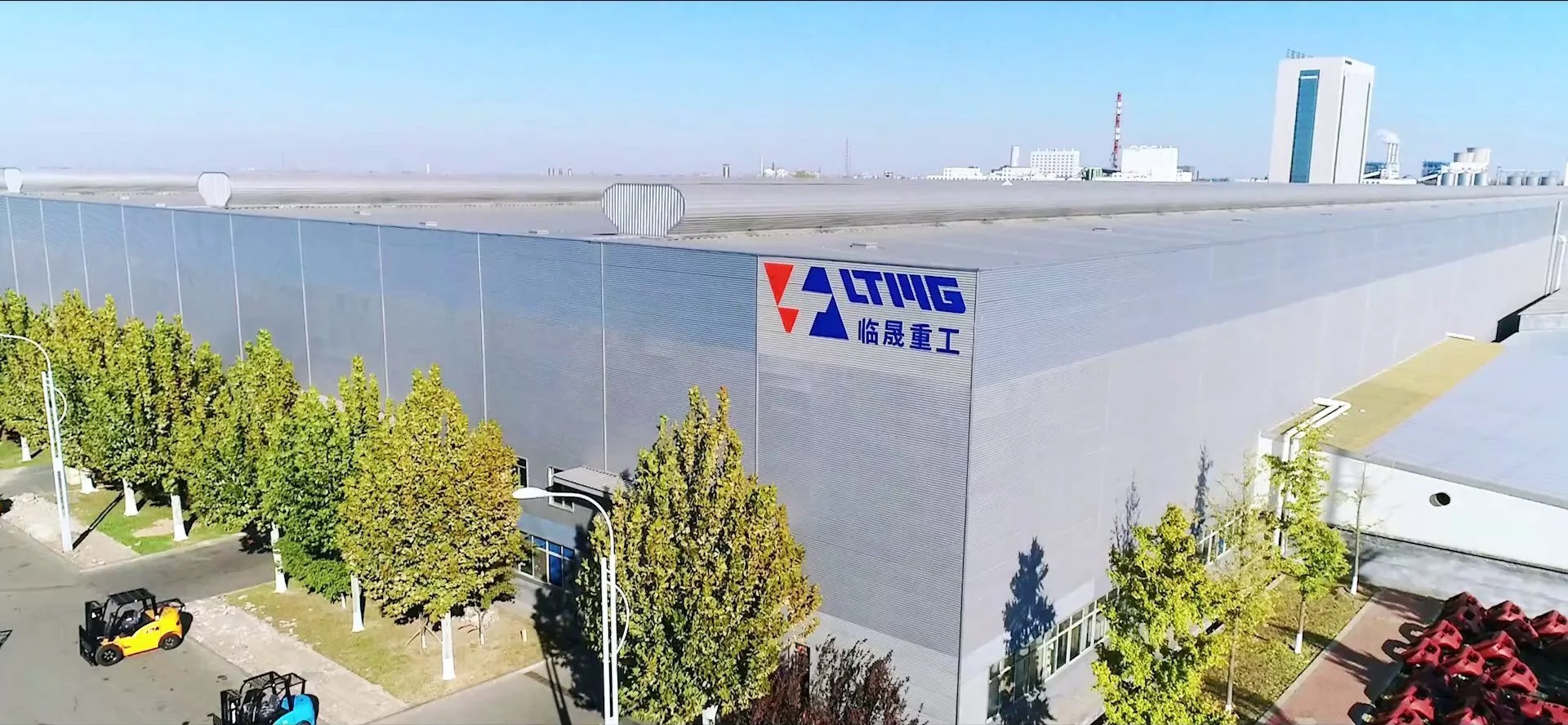
Since 2015, LTMG has grown from a single workshop in Xiamen into a global force in material handling and construction machinery. For nine consecutive years, LTMG has ranked No. 1 in China's material handling industry on a leading cross-border B2B e-commerce platform, while also maintaining a leading position in the construction machinery sector. Today, we serve customers across 185+ countries and regions, backed by 10 smart manufacturing bases and 3 R&D centers driving continuous innovation.
No. 1
Cross-Border B2B Platform Sales of Material Handling in China
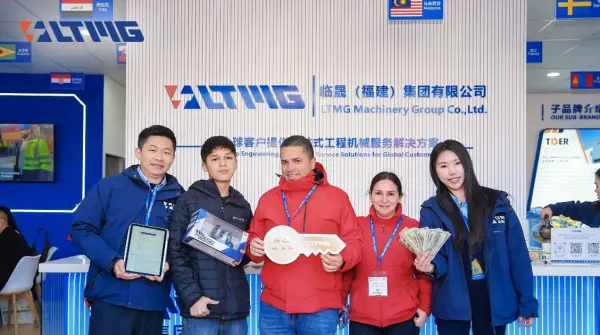
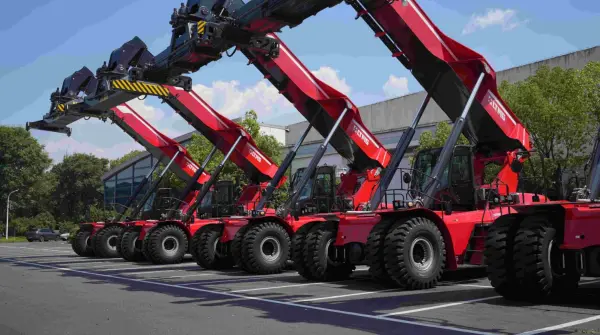
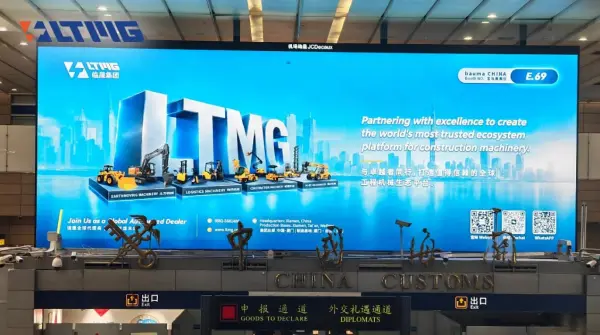
On November 24, 2026, bauma CHINA - Construction and Mining Machinery Trade Fair (hereinafter referred to as "bauma CHINA") officially opened at the Shanghai New International Expo Centre. At this premier global industry event, LTMG Machinery Group Co.,Ltd. made a strong appearance at Booth E.69 with its full range of flagship equipment, showcasing its latest achievements in intelligent manufacturing and technological innovation to global visitors through a comprehensive product portfolio and proven product quality. In the outdoor exhibition area, LTMG Group's full lineup of material handling and construction machinery drew considerable attention. In particular, the CRS450EV container reach stacker in the port logistics equipment zone attracted strong interest, with many visitors stopping to inspect the machine and speak with the team. Engineered for high-intensity, continuous operations at ports and freight yards, the CRS450EV is equipped with a Jing-Jin permanent magnet synchronous motor and a KESSLER heavy-duty reinforced drive axle, balancing robust power output with load-bearing stability. During discussions, numerous overseas traders raised concerns regarding operational safety during heavy-load high stacking. In response, the LTMG reach stacker delivers a comprehensive safety package—integrating multiple active safety control features such as dynamic anti-tipping protection, longitudinal dual anti-tipping protection, and spreader twist-lock dual interlocking—effectively ensuring smooth and precise heavy-load stacking. Beyond showcasing our heavy-duty strength, our product lineup also extends deeply into refined, small-to-medium-scale working conditions. At this exhibition, we are proud to unveil two star products tailored for modern precision operations: the LT260 Mini Three-Wheel Loader and the LT906 Loader . Engineered specifically for confined spaces, the LT260 takes compactness, agility, and versatility to the extreme, serving as an "all-around craftsman" capable of handling multiple tasks in low-ceiling greenhouses, dense orchards, and narrow indoor areas. Meanwhile, the LT906 elevates operational feel and precision to new heights. Powered by a hydrostatic transmission system, the machine achieves true stepless speed variation, delivering smooth, natural power output alongside exceptionally fine inching control. In line with the global industry shift toward green and low-carbon development, LTMG Group presented a full range of electric solutions covering forklifts, warehouse equipment, and wheel loaders. Among them, the flagship LT950EV electric wheel loader stood out. Powered by a high-efficiency permanent magnet synchronous motor and an all-in-one integrated controller, it enables independent dual-motor operation that combines high power density with low energy consumption. It also supports dual-gun fast charging, allowing rapid recharging even in extreme heat or sub-zero conditions. After test-driving the machine on-site, a European visitor remarked, "We place great importance on charging efficiency and total lifecycle operating costs for electric equipment. LTMG Group's machine not only meets our needs in these areas, but its smooth handling and driving comfort are also impressive." Business discussions at the booth remained active throughout the day. In LTMG Group's negotiation lounge, buyers from Europe, Southeast Asia, the Middle East, South America, and other regions arrived in a steady stream. LTMG Group's sales team remained on-site throughout the event, providing one-on-one tailored equipment recommendations based on regional working conditions and regulatory standards. Among them, an overseas client finalized a cooperation agreement on the spot after thoroughly evaluating equipment performance, placing an order for electric warehouse material handling equipment. Additionally, the booth secured clear purchasing intentions from multiple groups of international buyers on the very first day. Since the opening day began, the LTMG Group booth has continued to welcome domestic and international visitors for tours and business discussions. Over the remaining three days of the exhibition, LTMG Group will continue to leverage the international platform of bauma CHINA to gain deeper insights into global market needs, capture new business opportunities, and strengthen supply chain collaboration and resource integration—delivering reliable products and efficient service solutions to create greater value alongside global partners. Booth Information · Booth No.: E.69 · Dates: November 24 – 27, 2026 · Venue: Shanghai New International Expo Centre
In ports, container yards, and logistics terminals, efficient container handling, stacking, and transportation depend on reliable heavy-duty equipment. As cargo volumes increase, equipment must offer not only sufficient lifting capacity but also a wide operating range, flexible maneuverability, and stable performance. A reach stacker is a heavy-duty machine specifically designed for handling and stacking shipping containers. With its telescopic boom, specialized container spreader, and excellent maneuverability, it can handle containers across multiple rows and stacking positions. But how does a reach stacker work, and what features make it an efficient solution for container yard operations? 1. Working Principle and Key Components of a Reach Stacker A reach stacker mainly consists of a telescopic boom, container spreader, power system, and hydraulic system. Operators control the machine's travel, steering, boom extension, and lifting functions from the cab to pick up, move, and position containers. Telescopic Boom: Driven by a hydraulic system, the boom extends and adjusts its lifting angle to reach containers at different distances and heights. It is the key component that enables multi-row container handling. Container Spreader: Mounted at the front end of the boom, the spreader connects to the container's top corner castings through twist-lock mechanisms. Some spreaders also feature a side-shift function for more precise container positioning. Power and Hydraulic Systems: These systems provide the power required for machine travel, boom extension, and lifting. Their performance directly affects the machine's responsiveness and operating smoothness. 2. How Does a Reach Stacker Improve Container Yard Efficiency? A reach stacker's efficiency comes from more than its lifting capacity. Its operating reach, stacking capability, and maneuverability also play important roles in improving container handling performance. 1. High Lifting Capacity for Efficient Container Handling Reach stackers feature heavy-duty chassis, counterweights, and reinforced structures to handle containers of different weights. However, as the boom extends forward, the load center changes, affecting the machine's available lifting capacity. Operators must therefore refer to the load chart and select an appropriate operating position for safe and efficient handling. 2. Multi-Row Reach for Flexible Container Access By adjusting the boom length and angle, a reach stacker can access and handle containers in different rows. Its extended operating range allows it to reach positions that may otherwise require additional machine movement, improving container access flexibility and reducing unnecessary repositioning. 3. High Lifting Height for Better Space Utilization A reach stacker can lift containers to different heights and stack them in multiple tiers, making better use of the available vertical space in a container yard. Its maximum lifting height, together with the load capacity at different boom positions, determines its actual stacking capability. 4. Excellent Maneuverability for Different Working Environments Container yards often have varying aisle widths and operating space. With a dedicated steering system and heavy-duty tires, a reach stacker can move and reposition flexibly within the yard. Turning radius is an important factor when evaluating maneuverability, but the machine's overall dimensions and actual aisle conditions should also be considered. 5. Precise Container Positioning for Smoother Operations A spreader equipped with a side-shift function allows operators to adjust the container's lateral position within a certain range. This reduces the need for repeated machine repositioning. Combined with coordinated boom and hydraulic controls, it helps make container lifting and stacking operations smoother. 3. Which Technical Specifications Determine Reach Stacker Performance? When selecting a reach stacker, maximum lifting capacity is not the only specification to consider. Several key parameters determine whether a machine can meet the requirements of a specific container yard. Key Specification What It Determines Rated Capacity The maximum load the machine can handle under specified operating conditions Load Center Its impact on lifting capacity at different load positions Maximum Lift Height The maximum height the machine can reach when stacking containers Reach The operating distance the spreader can cover Turning Radius The machine's maneuverability in confined spaces Spreader Side Shift Flexibility when aligning and positioning containers Rated capacity and the load chart deserve particular attention. As a reach stacker handles containers in different rows, its boom reach and load center change, which affects the available lifting capacity. Buyers should therefore check the load chart to confirm the machine's capacity at the required operating positions. The required lifting height and reach should also be determined according to stacking levels, container dimensions, and yard layout. 4. Diesel vs. Electric Reach Stackers: Which Should You Choose? Reach stackers are available with different power configurations, mainly diesel and electric. Each option has its own advantages in terms of energy supply, operating costs, and working conditions. 1. Diesel Reach Stackers Diesel reach stackers are powered by internal combustion engines and offer established power configurations and convenient refueling. When selecting a diesel model, buyers should consider engine power, fuel consumption, maintenance requirements, and operating intensity. The LTMG CRS450 diesel reach stacker has a rated lifting capacity of 45,000 kg and a maximum lifting height of 15,200 mm. It is equipped with a Volvo TAD1151VE engine rated at 265 kW, making it suitable for heavy-duty container handling and stacking operations. 2. Electric Reach Stackers Electric reach stackers are powered by batteries and produce no engine exhaust emissions during operation. They are suitable for operators seeking to reduce on-site exhaust emissions and adopt electric equipment. Important selection factors include battery capacity, actual operating time, charging infrastructure, and daily workload. The LTMG CRS450E electric reach stacker offers two battery capacity options: 423 kWh and 508 kWh, with stated operating times of 8 and 10 hours respectively. It features rated capacity configurations of 45 tons, 31 tons, and 16 tons, and a maximum lifting height of 15,100 mm. Actual operating time may vary depending on load, operating frequency, and environmental conditions. The choice between diesel and electric power should be based on energy availability, operating intensity, and long-term operating costs. 5. How to Choose the Right Reach Stacker for a Container Yard Beyond power configuration, buyers should evaluate their actual operating requirements before selecting a reach stacker. Lifting Capacity: Determine the typical container weights and check the load chart for the required operating positions. Stacking Requirements: Select an appropriate lifting height based on the planned stacking levels, container dimensions, and operating positions. Yard Conditions: Consider aisle width, turning space, ground conditions, and the overall dimensions of the machine. Power Configuration: Evaluate fuel or electricity availability, operating time, and refueling or charging facilities. Operating Costs: Include energy consumption, maintenance, and expected service life in the purchasing decision. Matching the machine's specifications to actual working conditions is essential to achieving reliable performance and efficient container handling. Conclusion With its telescopic boom, specialized container spreader, powerful lifting system, and flexible design, a reach stacker provides an efficient solution for container handling, stacking, and transportation. When selecting a machine, buyers should consider lifting capacity, operating reach, lifting height, maneuverability, and power configuration rather than focusing on a single specification. LTMG is committed to providing reliable and efficient material handling equipment for a wide range of applications. Choosing the right reach stacker can improve container handling efficiency and support the long-term operational needs of container yards. Contact us to learn more about our reach stacker solutions and available equipment configurations.
bauma CHINA 2026 (China International Trade Fair for Construction Machinery, Building Materials Machines, Mining Machines, Construction Vehicles and Equipment) is scheduled to officially kick off on November 24, 2026. LTMG Machinery Group Co.,Ltd. will make a heavyweight appearance with its full suite of core product matrices, presenting a brilliant posture to global clients with cutting-edge technical equipment and all-scenario operation strength, showcasing the internationalized style of Chinese material handling and construction machinery brands. At this exhibition, LTMG Group will focus on the core concept of full-scenario coverage, dividing its exhibits into four major pillar sections, aiming to meet the diversified operation needs of global clients in material handling, infrastructure and mining, aerial work, and modern agriculture. From Heavy-Duty Port Equipment to Precision Warehousing: In the material handling exhibition area, LTMG Group has built a complete pedigree ranging from 45-ton heavy-duty port reach stackers to 1.5-ton precision warehousing and handling equipment. From the demanding handling working conditions of port containers, heavy-duty logistics, and unpaved roads, to the end-logistics demands of modern intensive warehousing, it truly achieves full-working-condition and multi-power-source deep coverage. Earthmoving and Mining Equipment: Targeting the pain points of infrastructure engineering and municipal construction, LTMG Group brings a rich and highly competitive lineup of earthmoving equipment. Ranging from 1.6-ton mini excavators suitable for precision operations to 23-ton large excavators serving as the main force for construction, the entire series balances flexibility with robustness. In addition, the simultaneous appearance of multiple skid-steer loaders and backhoe loaders ("two-in-one-machinery") further achieves high-efficiency operations through excellent "one-machine-multi-use" adaptability. Aerial Work Equipment Matrix: In the aerial work equipment section, LTMG Group exhibits multiple scissor-type aerial work platforms, as well as flagship large-height telescopic boom and articulated boom aerial work vehicle models, empowering high-altitude construction across various indoor and outdoor scenarios with exceptional stability. Earthmoving and Agricultural Equipment: In addition to the main pillars, the booth also showcases a 3.5-cubic-meter concrete mixer truck and two high-performance tractors (LTY504 and LTB1204), further demonstrating LTMG Group's deep accumulation in earthmoving and agricultural equipment. In addition to the heavyweight product lineup, a spacious business reception area and negotiation center are specially set up within the booth. During the exhibition, LTMG's experienced business team will be on-site throughout to provide global clients with one-on-one equipment selection support, customized solutions, and zero-distance test-drive experience services. On November 24 at the Shanghai New International Expo Centre, LTMG is fully prepared and sincerely invites new and old clients and partners from home and abroad to visit the LTMG booth for inspection and communication, experience the surging momentum of "Smart Manufacturing in China" up close, and jointly paint a new blueprint for cooperation in the fields of material handling and construction machinery. Booth Number: E.69 Exhibition Dates: November 24 – 27, 2026 Exhibition Location: Shanghai New International Expo Centre
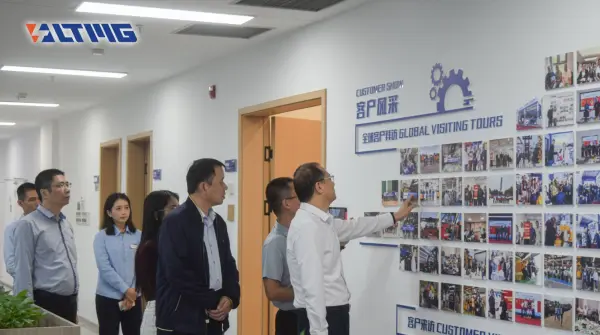
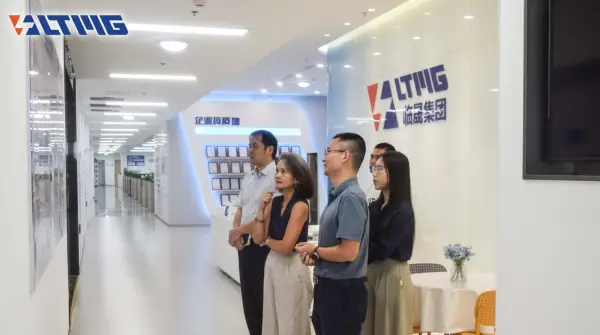
On November 10, 2026, Chen Haoying, Director of the Xiamen Municipal Bureau of Commerce, led a research delegation to visit the Xiamen headquarters of LTMG Machinery Group Co.,Ltd. (LTMG Group) for an on-site inspection and work guidance. LTMG Group's core management team accompanied the delegation throughout the visit. The two parties engaged in deep and pragmatic discussions centered on cutting-edge topics such as business model innovations in cross-border expansion for construction machinery and the construction of an AI agent ecosystem. During the visit, Director Chen Haoying and his delegation toured the corporate exhibition hall, the full-series equipment product sandbox, the corporate honors wall, and the digital real-time monitoring display of the factory. By listening to reports on LTMG Group’s digital practices in production scheduling, quality control, and supply chain collaboration, Director Chen highly praised the company's remarkable achievements in the field of construction machinery cross-border expansion in recent years. He pointed out that the business model deeply integrating digitalization with heavy industry foreign trade closely aligns with the new requirements for high-quality foreign trade development, serving as a key model of foreign trade innovation nurtured and promoted by the Xiamen Municipal Bureau of Commerce. During the symposium and discussion session, Devin Guo, Chairman of LTMG Group, presented the group's strategic plan regarding technical innovation applications to the research team. He highlighted that LTMG Group is vigorously advancing the deep integration of its corporate knowledge base with the AI agent application ecosystem. By empowering construction machinery export operations with AI technology, the group aims to comprehensively improve quality and efficiency, optimizing marketing customer acquisition, business collaboration, and international operational efficiency. Meanwhile, LTMG Group hopes to leverage its own digital practices as an entry point to foster a favorable atmosphere for AI digital transformation among local enterprises in Xiamen, working hand in hand with more upstream and downstream companies to build a new intelligent ecosystem. Director Chen Haoying expressed deep recognition of LTMG Group's proactive exploration in the field of AI digitalization. He emphasized that the Municipal Bureau of Commerce will actively coordinate various industrial resources, continuously monitor and assist local foreign trade enterprises in innovative leaps, and provide robust policy support and service guarantees to construct corporate digital ecosystems, jointly promoting the transformation and upgrading of more foreign trade enterprises and cross-border digital trade in Xiamen. Moving forward, LTMG Group will remain committed to a dual-wheel drive strategy of "Technological Innovation + Digital Empowerment." Deeply rooted in Xiamen with a global perspective, LTMG Group will continue to consolidate its leading advantage in local digital innovation business models, injecting new momentum into the high-quality development of Xiamen's foreign trade.
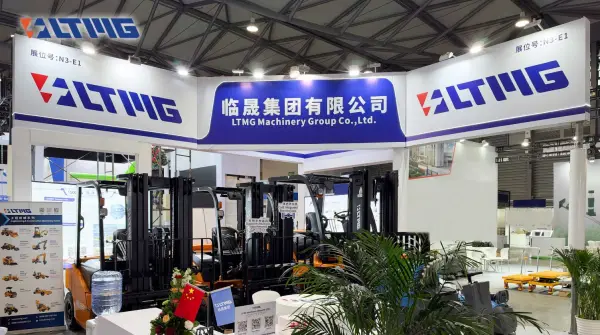
On November 3, 2026, the 26th Asia International Logistics Technology and Transportation Systems Exhibition (CeMAT ASIA 2026) officially grandly opened at the Shanghai New International Expo Centre. As a dedicated player in the material handling industry, LTMG Group made a dynamic appearance with a series of heavy-duty products and cutting-edge solutions. On the first day of the exhibition, LTMG's new-generation high-voltage lithium-battery forklift became one of the key highlights in the material handling exhibition area. This year's exhibition gathered over 950 industry leaders from home and abroad to showcase innovative achievements spanning from mature logistics solutions to frontier technologies, attracting nearly 140,000 professional buyers and industry visitors. LTMG Group presented a diversified product portfolio, featuring the FD30 diesel forklift, FB30 electric forklift, FB70 high-voltage lithium battery forklift, LTFS25 walk-behind floor scrubber, and LTFS85 ride-on floor scrubber, fully demonstrating its solid technical strength in efficient handling and industrial cleaning. In response to the growing demand for high-efficiency, heavy-duty, and low-carbon handling equipment in the industrial logistics sector, LTMG Group featured its high-voltage lithium battery forklift, which boasts high performance capable of replacing traditional internal combustion forklifts. Powered by a 300V high-voltage permanent magnet synchronous motor system, it delivers strong power output and breaks through the traditional "Double 20" industry benchmark (i.e., driving speed exceeding 20 km/h and lifting speed exceeding 20 m/min), easily handling high-intensity and complex operating conditions. During the exhibition, a client from Turkey placed high demands on forklift safety and daily maintenance efficiency. The LTMG Group team delivered a comprehensive demonstration of the FB70's CAN bus technology, showcasing its 24/7 real-time cloud monitoring of core components. The team also opened the wide-angle engine hood, guiding the client to inspect the well-organized interior layout—offering clear visibility and accessibility for daily maintenance of the battery, pump motor, electrical components, and hydraulic oil tank. The Turkish client remarked: "In the past, troubleshooting minor faults used to consume a lot of time. With LTMG Group's intelligent safety alerts and modular simplified design, we can truly save time and maximize our focus on efficient operations." The excitement continues! From November 3 to 6, LTMG Group looks forward to welcoming you at the Shanghai New International Expo Centre to explore new pathways toward green logistics transformation. At the end of this month, LTMG will usher in its second stop — the International Trade Fair for Construction Machinery, Building Material Machines, Mining Machines and Construction Vehicles and Equipment, commonly known as bauma CHINA 2026! Spanning a massive outdoor exhibition area of over 900 square meters, LTMG Group will welcome global clients to showcase its full range of robust equipment and advanced technical solutions. We look forward to meeting new and long-standing business partners at this flagship industry event. Booth No.: E.69 Dates: November 24 – 27, 2026 Venue: Shanghai New International Expo Centre
In November 2026, LTMG Group officially launched its Overseas Warehouse Shared Stock and Sample Program for dealers to help them expand their local markets and make purchasing and delivery more convenient for overseas customers. Open to all dealers, the program utilizes dealers’ own overseas warehouses, with LTMG Group providing products for display and sale to jointly establish a shared network of locally available stock and better align product supply with local demand. No Upfront Product Payment, Less Initial Stocking Pressure Under the program, LTMG Group will supply standardized, popular products and demonstration units to participating overseas warehouses through consolidated container shipments, with no upfront payment for the products. Ownership of the inventory will remain with LTMG Group. Dealers can use these products for display and sale without paying for them in advance. They will cover related costs, including ocean freight, customs duties, customs clearance, warehousing, and local logistics. This arrangement helps reduce dealers’ initial capital requirements while allowing local customers to inspect equipment in person and purchase from available stock. Two Sales Channels to Expand Local Business Opportunities The shared inventory program combines independent dealer sales with in-stock inquiries generated through LTMG Group’s online channels, bringing together dealers’ local market expertise and the Group’s customer resources. Independent dealer sales: Dealers may set their own prices, collect payments, and fulfill orders, while submitting sales records on schedule. Once a product is sold, the dealer pays LTMG Group the stated value of the supplied unit and retains the additional proceeds. Inquiries from LTMG Group’s online channels: LTMG Group will match inquiries for in-stock products with the appropriate overseas warehouse based on the customer’s delivery location. The sales representative responsible for that warehouse partnership will have exclusive responsibility for following up on the inquiry. The representative will determine the selling price in local currency based on company pricing guidelines and local costs. By coordinating these two sales channels, LTMG Group and its dealers can develop more sales opportunities for locally stocked products and support inquiry follow-up and order fulfillment. Dealers that meet quarterly sales targets may also apply for Market Development Funds (MDF) to support local promotional activities. Clear Inventory Management Requirements for Orderly Cooperation The program also sets out inventory management and partnership requirements. Dealers must conduct monthly stock counts and reconcile records to ensure that inventory and sales information remain accurate. For products that remain unsold for an extended period, the parties may negotiate a return or a discounted buyout, providing flexibility for inventory adjustments. Falsifying warehouse verification documents, selling outside authorized territories, and concealing inventory are strictly prohibited. Violations may result in the recovery of incentives, withdrawal of benefits, or termination of participation in the program. The program supplements the main dealership agreement and operates independently of the paid consignment policy. Through this initiative, LTMG Group aims to turn its product and channel support into practical resources for dealers’ local operations while steadily strengthening its ability to supply overseas markets from local stock. Moving forward, LTMG Group will work with participating dealers to develop the shared overseas warehouse network and provide overseas customers with more convenient purchasing and delivery services through well-managed operations. Before joining the program, dealers must ensure that their overseas warehouses hold all qualifications and approvals required to display and sell the proposed products locally, and that all related business activities comply with applicable local laws and regulatory requirements. Specific qualification requirements and the responsibilities of both parties shall be governed by the formal cooperation agreement signed by both parties. Dealers interested in participating are welcome to contact LTMG Group through its official channels for further details. WhatsApp / Phone: +86 17350015962 Email: info@ltmg.com
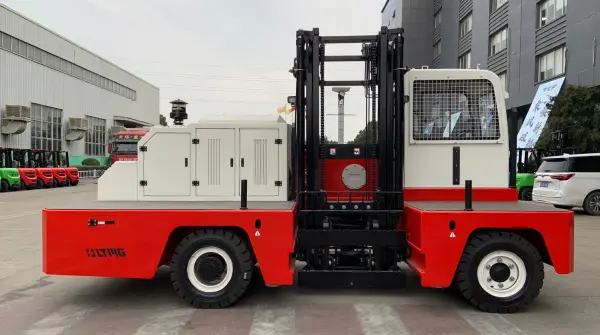
In industries such as timber processing, steel storage, and pipe transportation, handling long materials requires more than sufficient load capacity. The length of the load and the available operating space are also important considerations. Unlike a standard forklift, a side loader forklift uses a side-loading design and carries loads lengthwise along the truck, making it more suitable for handling and transporting long materials such as timber, steel pipes, and metal profiles. What are the main features of a side loader forklift? And how can you choose the right model for different load dimensions and working environments? This article covers its key features, typical applications, and selection criteria. What Is a Side Loader Forklift and How Does It Work? A side loader forklift is a type of forklift designed to load and unload materials from the side. Unlike a standard forklift, which typically carries loads at the front, a side loader forklift usually carries materials lengthwise along the truck and uses a side-mounted fork mechanism to pick up, lift, and unload them. This design is particularly suitable for long materials. It can reduce the lateral space occupied by a load during handling and help transport long materials through properly planned aisles. The main features of a side loader forklift include: Side loading and unloading: Allows materials to be picked up and placed from the side, making it suitable for handling long loads. Lengthwise load carrying: Positions materials along the length of the truck, helping reduce the space required for loads that would otherwise extend sideways. Suitable for specific applications: Offers practical advantages in the storage and handling of long materials such as timber, steel, and pipes. Requires matching the truck to the load: Actual suitability depends on load length, weight, center of gravity, fork dimensions, and truck configuration. Side Loader vs. Standard Forklift: What Are the Differences? Both side loader forklifts and standard forklifts are used for material handling, but they differ in design and typical applications. Comparison Side Loader Forklift Standard Forklift Load orientation Typically carries loads lengthwise along the truck Typically carries loads at the front of the truck Typical loads Long timber, steel pipes, metal profiles, and similar materials Pallets, boxed goods, and general materials Loading and unloading Loads are picked up and placed from the side Loads are typically picked up and placed from the front Handling long materials Better suited to transporting and loading long materials Requires careful consideration of turning space when handling long loads Aisle planning Suitable for aisles designed around long-material handling Suitable for a wide range of standard warehousing and logistics layouts Key selection factors Load length, capacity, center of gravity, platform dimensions, and aisle space Rated capacity, load center, lift height, and aisle space The right choice depends on the actual material-handling task rather than the forklift type alone. For example, a standard forklift may be more convenient in a warehouse that mainly handles standard pallets. If a facility frequently moves long timber or steel pipes, a side loader forklift may be a better option. What Are the Main Applications of Side Loader Forklifts? Side loader forklifts are primarily used to handle long materials such as timber, steel pipes, and metal profiles. They are particularly useful in operations that involve frequent loading, unloading, transportation, and stacking. The following are three typical side loader forklift applications. 1. Timber Processing and Storage Wood boards, beams, and long timber are often stored and transported in bundles, placing specific demands on load handling and operating space. With its lengthwise load-carrying design, a side loader forklift is well suited to handling long timber in lumber yards, timber processing plants, and storage areas. It can support loading and unloading operations while accommodating timber stacking requirements. 2. Steel, Metal Profiles, and Pipe Processing Steel pipes, metal profiles, and plastic pipes are widely used in steel processing, pipe manufacturing, and building material storage. These materials are often long, so handling and transportation must account for both load stability and available operating space. With its lengthwise load-carrying and side-loading design, a side loader forklift can handle long materials within its rated capacity. Typical tasks include moving raw materials into storage, transferring materials between production areas, and loading finished products for shipment. 3. Industrial Material Production and Distribution In manufacturing plants and distribution centers, long raw materials often need to move between storage areas, production lines, and loading zones. Side loader forklifts can support these ongoing material-handling tasks. When a facility handles both long materials and general loads, they can also work alongside other forklift types to support overall handling efficiency. How to Choose the Right Side Loader Forklift? When selecting a side loader forklift, consider load specifications, working conditions, and operational requirements rather than focusing only on rated capacity or lift height. 1. Confirm Load Weight and Capacity Requirements Determine the maximum weight of each individual load or bundle, as well as its center of gravity. Load center and lift height can affect the truck's actual lifting capacity, so confirm that the forklift can safely handle the intended load under the relevant operating conditions. 2. Check Load Dimensions Load length, width, and packaging affect the load arrangement and fork configuration. Before purchasing, identify the maximum load dimensions, weight, and center of gravity to help determine the appropriate forklift model. 3. Determine the Required Lift Height Choose a lift height based on the required stacking height, rack dimensions, and loading and unloading requirements. Also confirm the truck's rated capacity at the required lift height to ensure it meets daily operating needs. 4. Evaluate Aisle Width and Operating Space Consider the forklift's dimensions, turning radius, load length, and site layout. Confirm that the truck can complete picking, transportation, and unloading tasks smoothly while leaving sufficient space for pedestrian access. 5. Choose the Right Power Type Electric side loader forklifts require consideration of charging facilities, operating hours, and battery requirements. Diesel side loader forklifts require attention to fuel availability, the working environment, and maintenance needs. Choose the power type that best matches your actual operating conditions. LTMG Side Loader Forklift Models: FBS60 and FDS60 If you need a side loader forklift with a rated capacity of 6,000 kg, consider the LTMG FBS60 electric side loader forklift and FDS60 diesel side loader forklift. The two models use different power systems, allowing you to compare them based on site conditions and operating requirements. FBS60 Electric Side Loader Forklift The LTMG FBS60 electric side loader forklift has a rated capacity of 6,000 kg and a lift height of 3,550 mm. It is designed for handling and stacking long materials such as timber, steel pipes, and metal profiles. The model is equipped with a 23 kW traction motor and a 25 kW pump motor, which power vehicle travel and hydraulic operations, respectively. If your project favors electric equipment, consider the load weight, required lift height, daily operating hours, and on-site charging conditions when evaluating whether the FBS60 meets your needs. FDS60 Diesel Side Loader Forklift If diesel power is better suited to your working conditions, consider the LTMG FDS60 diesel side loader forklift. It has a rated capacity of 6,000 kg, a lift height of 3,600 mm, a load center of 600 mm, and an engine output of 85 kW at 2,200 rpm. When handling long timber, steel pipes, or metal profiles, rated capacity alone is not enough to determine suitability. You should also consider the actual load length, weight, and center of gravity, and confirm the truck's capacity under the intended operating conditions. The FDS60 specifications provide a starting point for model selection, while the final configuration should be confirmed according to your material-handling requirements. Conclusion Choosing the right side loader forklift can make long-material handling more convenient and efficient. LTMG can help you identify suitable equipment based on your load dimensions, capacity requirements, and working environment. Looking for a side loader forklift for your operation? Contact LTMG today for product information and selection advice. Frequently Asked Questions 1. Can a side loader forklift operate in narrow warehouse aisles? Side loader forklifts can operate in properly planned aisles designed for long-material handling, but not every narrow aisle is suitable. Space requirements depend on the truck's dimensions, turning radius, load length, and loading method. Check the site layout before choosing a model. 2. Can a side loader forklift handle long materials that exceed its rated capacity? No. Load weight, center of gravity, fork configuration, and lift height can all affect actual lifting capacity. Before handling a load, confirm that it falls within the truck's rated capacity for the relevant operating conditions. Never overload the forklift. 3. What is the difference between an electric side loader forklift and a diesel side loader forklift? An electric side loader forklift runs on battery power, so charging facilities, battery runtime, and operating hours need to be considered. A diesel side loader forklift uses a diesel engine, making fuel availability, emissions requirements, and maintenance important factors. The choice should be based on the working environment, operating schedule, and overall operating costs.
On October 22, 2026, Lin Zhenya, Deputy Director and Second-Class Inspector of the Xiamen Municipal Bureau of Commerce, alongside Xie Xin, Director of the Foreign Trade Division of the Bureau, visited LTMG Group for research and guidance.The delegation gained an in-depth understanding of LTMG Group's foreign trade growth, global brand presence, and digital transformation efforts, while offering insightful guidance on driving high-quality development for foreign trade enterprises and expanding Xiamen's independent brands into international markets. Executive representatives of LTMG Group accompanied the delegation during the tour and attended the symposium. During the research tour, Deputy Director Lin Zhenya and her delegation visited the group's showroom, scenario sandbox, qualification and honor wall, and digital display wall, gaining firsthand insights into the overall product lineup, brand development, and digital operations. During the visit, the delegation paid special attention to the practical achievements of LTMG Group's AI digital platform and intelligent service systems. At the symposium, company executives delivered a detailed presentation on the group's growth journey and current key initiatives. Founded in 2015, LTMG Group focuses on the global layout of construction machinery, with its products now covering over 185 countries and regions worldwide. Furthermore, it has ranked first in online transaction volume in the material handling sector on Alibaba International Station for ten consecutive years, from 2017 to 2026. Both sides engaged in thorough discussions regarding exhibition support and related incentive policies that concern the enterprise. Lin Zhenya emphasized that the global expansion of local Xiamen brands has always been a key priority for the Bureau of Commerce, which will continue to provide strong policy and resource support to enterprises. In response to the practical needs raised by the company, the Bureau will offer full support in exhibition promotion, media coverage endorsements, and matchmaking symposia, helping the enterprise further enhance its brand recognition and overseas market influence. Devin Guo, Chairman of LTMG Group, expressed his gratitude to the Bureau of Commerce for its long-standing care and support. He stated that as an outstanding export-oriented self-owned brand enterprise, LTMG Group will stay firmly rooted in Xiamen and will continue to deepen its brand global expansion and digital capability building. By leveraging government policies and platform advantages, the company aims to actively drive more "Intelligent Manufacturing in China" onto the global stage. This in-depth dialogue between government and enterprise has effectively strengthened the company's confidence in expanding into overseas markets. Moving forward, LTMG Group will stay true to its mission of "driving Intelligent Manufacturing in China to reach the world with ultimate efficiency" and continuously elevate its international brand competitiveness.
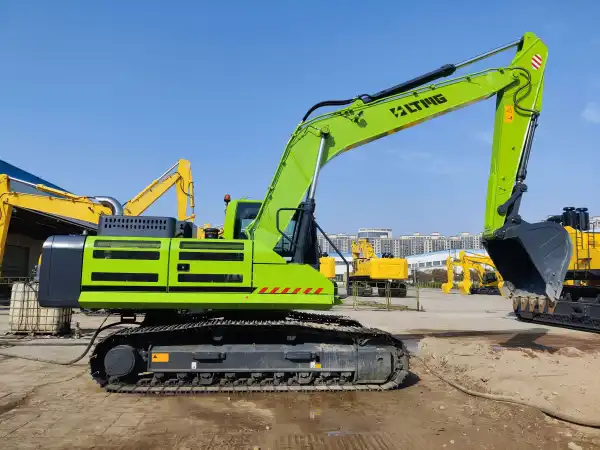
As the construction equipment industry continues to evolve, electric loaders and electric excavators are becoming increasingly popular options for equipment buyers. Compared with diesel-powered machines, electric equipment produces no exhaust emissions during operation and generally operates at lower noise levels. Under suitable working conditions, it may also help reduce energy and maintenance costs. This article explores the key benefits of electric construction equipment, battery life and charging considerations, and long-term operating costs to help you determine whether electric equipment is right for your applications. Why Are More Buyers Considering Electric Construction Equipment? Interest in electric construction equipment goes beyond the shift from diesel to electric power. Equipment buyers are increasingly focused on operating costs, working environments, and overall equipment efficiency. 1. Lower Energy Costs Electric equipment uses electricity instead of diesel fuel. When electricity prices are favorable and equipment is used frequently, an electric loader or electric excavator may offer lower daily energy costs. Over time, these savings may help offset the higher initial purchase price. 2. Reduced Exhaust Emissions and Operating Noise Electric construction equipment produces no exhaust emissions at the point of operation, helping improve air quality in the working area. This is particularly beneficial for indoor applications, enclosed spaces, and projects with strict emission requirements. Electric machines also generally operate at lower noise levels, making them suitable for industrial sites and other noise-sensitive environments. Actual noise levels depend on machine design and operating conditions. Batteries, Charging, and Runtime of Electric Construction Equipment When purchasing an electric loader or electric excavator, buyers need to consider more than machine performance. Runtime, charging time, and on-site power availability are also important factors in determining whether the equipment can meet daily operational needs. 1. Battery Capacity and Actual Runtime Battery capacity is typically measured in kilowatt-hours (kW/h), but capacity alone does not determine how long a machine can operate. Actual runtime also depends on workload, operating patterns, ambient temperature, and machine configuration. For example, frequent loading cycles or continuous heavy-duty operation may increase energy consumption in an electric wheel loader. For an electric excavator, digging depth, soil conditions, and work intensity can also affect energy use. When selecting equipment, consider daily operating hours, actual working conditions, and the manufacturer's runtime data rather than relying on battery capacity alone. 2. Charging Time and On-Site Power Requirements Charging time depends on battery capacity, charger output, and the machine's supported charging method. Before purchasing, confirm the charging interface, charger requirements, and available site power. It is also important to understand the conditions under which the manufacturer's stated charging time was measured. For machines operating long hours or across multiple shifts, plan charging schedules in advance to minimize interruptions and maintain equipment utilization. 3. How to Determine Whether Runtime Meets Your Needs Before purchasing electric construction equipment, consider three key questions: Daily operating hours: How many hours does the machine need to operate each day? Work intensity: Will the machine handle light material movement, routine excavation, or continuous heavy-duty work? Charging and power availability: Does the site have a stable power supply and compatible charging facilities? Compare these requirements with the machine's runtime specifications, charging requirements, and power supply method to determine whether the equipment is suitable for your application. Electric Construction Equipment vs. Diesel Equipment: How Do Operating Costs Compare? Electric construction equipment may have a higher initial purchase price, but energy expenses and certain maintenance costs may be lower. To determine whether an electric machine is a worthwhile investment, buyers should compare upfront costs with long-term operating expenses. 1. Initial Purchase Cost The purchase price of electric equipment depends on the machine type, battery configuration, and overall specifications. In addition to the machine itself, buyers should consider charging infrastructure and any necessary electrical upgrades. When comparing electric and diesel equipment, choose models with similar operating capabilities and configurations to make a more meaningful assessment of the total initial investment. 2. Electricity Costs vs. Diesel Fuel Costs Energy costs for electric equipment depend on electricity consumption and local electricity rates, while diesel equipment costs depend on fuel consumption and diesel prices. Hourly energy cost for electric equipment = Electricity consumption per hour × Electricity price Hourly fuel cost for diesel equipment = Diesel consumption per hour × Diesel price For machines operating long hours each day, differences in energy costs can accumulate over time. Estimating monthly or annual expenses using actual energy consumption and local energy prices provides a more reliable comparison than judging costs by power source alone. 3. Maintenance Costs and Equipment Downtime Electric equipment does not require conventional diesel engine oil changes or fuel system maintenance, reducing certain routine maintenance tasks. However, the battery, electrical system, hydraulic system, and other mechanical components still require regular inspection and servicing. Diesel equipment requires scheduled engine and fuel system maintenance. For both types of equipment, spare parts availability, repair support, and downtime can affect long-term operating costs. 4. How to Evaluate Long-Term Operating Costs When comparing electric and diesel construction equipment, consider the following: Total lifetime cost = Purchase cost + Energy costs + Maintenance costs + Charging infrastructure investment + Other operating expenses − Residual value For applications with high equipment utilization, favorable electricity prices, and reliable charging access, savings on energy and certain maintenance tasks may help offset the higher initial investment in electric equipment. However, applications involving continuous heavy-duty operation, limited charging access, or low equipment utilization require a more detailed cost assessment. Ultimately, the more economical option depends on purchase price, actual energy consumption, operating hours, and equipment service life. Evaluating total ownership costs provides a more useful basis for purchasing decisions than comparing initial prices alone. LTMG Electric Construction Equipment Recommendations 1. LTMG Electric Crawler Excavators: LTE210EV and LTE240EV LTMG offers electric crawler excavators with different power supply options to suit different site conditions and operating requirements. The LTE210EV uses an external power supply, while the LTE240EV is equipped with a high-capacity battery system. Buyers can choose between these solutions based on site layout, operating hours, and equipment mobility requirements. LTE210EV: Cable-Powered Electric Crawler Excavator The LTE210EV is suitable for construction sites with a stable power supply and relatively fixed working areas. Its external power supply allows the machine to operate without relying on an onboard battery to store all the energy needed for operation, making it an option for users seeking continuous operation without routine battery recharging breaks. Key specifications: Operating weight: 21.5 tonnes Rated power: 55 kW / 1,480 r/min Bucket capacity: 0.9–1.2 m³ Maximum digging depth: 6,525 mm Rated voltage: 380 V Before purchasing, confirm the site's power capacity, cable layout, and required working range to ensure the power supply arrangement meets operational needs. LTE240EV: Battery-Powered Electric Crawler Excavator For sites where the machine needs to move freely within the working area and cable restrictions are undesirable, the LTE240EV battery-powered electric crawler excavator is another option to consider. The machine is equipped with a 422.8 kWh battery system. Under suitable operating conditions, it is designed to provide more than 10 hours of continuous operation, potentially meeting the needs of a full work shift. Actual runtime varies with work intensity, environmental conditions, and operating practices. Key specifications: Operating weight: 23.5 tonnes Rated power: 140 kW / 1,900 r/min Bucket capacity: 1.17 m³ Battery capacity: 422.8 kWh Maximum digging depth: 6,875 mm Before purchasing, evaluate daily operating hours, digging intensity, and available charging facilities to determine whether the machine's runtime meets your project requirements. LT930EV Electric Wheel Loader The LT930EV electric wheel loader is designed for material loading and handling applications. With a rated load of 3,000 kg and a bucket capacity of 2 m³, it is an option for users seeking electric power for routine material handling operations. Key specifications: Operating weight: 10,500 kg Rated load: 3,000 kg Bucket capacity: 2 m³ Battery energy: 143.52 kWh Reference runtime: 6–8 hours under general operating conditions and 5–6 hours under heavy load Reference charging time: 30–40 minutes Actual runtime varies with workload and operating conditions. Charging requirements also depend on charger output and available site power. Before purchasing, consult the LTMG sales team to confirm the specific charging configuration and applicable operating conditions. Conclusion Electric construction equipment offers potential advantages in energy costs, on-site exhaust emissions, and certain maintenance requirements. However, choosing the right machine requires careful consideration of performance, runtime, power supply conditions, and long-term operating costs. LTMG offers a range of electric construction equipment solutions to meet different application requirements. Explore our product range or contact LTMG to discuss machine configurations and find the right equipment for your operation. Frequently Asked Questions 1. Can an Electric Excavator Deliver the Same Performance as a Diesel Excavator? The working capability of an electric excavator depends on its motor power, hydraulic system, and specific model. Compare digging force, digging depth, and actual workload requirements to determine whether a machine is suitable for your application. 2. How Long Can an Electric Loader Operate on One Charge? Runtime depends on battery capacity, workload, and operating conditions. For example, the LTMG LT930EV has a reference runtime of 6–8 hours under general conditions and 5–6 hours under heavy load. For extended or multi-shift operations, confirm actual runtime and charging requirements in advance. 3. Is Electric Construction Equipment Suitable for Long Hours and Heavy-Duty Work? Suitability depends on machine performance, battery runtime, and on-site power availability. For extended or heavy-duty applications, confirm the machine's operating capabilities and runtime under the intended working conditions, and plan an appropriate charging solution.
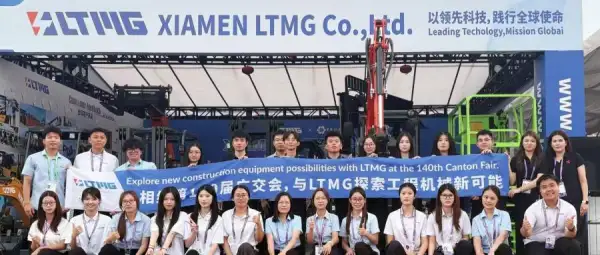
On October 19, 2026, the 140th China Import and Export Fair (Canton Fair) came to a successful conclusion. This edition of the Canton Fair attracted over 30,000 participating enterprises and approximately 340,000 overseas buyers. As a leading solution provider in the material handling and construction machinery industries, LTMG Machinery Group Co.,Ltd. attracted a vast number of international clients with its outstanding product performance and strong technical expertise, showcasing its robust international competitiveness and the excellence of "Smart Manufacturing in China." As the transition toward green and low-carbon solutions accelerates across the global market, LTMG Group continues to deepen its strategic layout in green energy products. The electric forklifts, electric aerial work platforms, and other green equipment showcased at the exhibition earned widespread acclaim in regions such as Europe and Southeast Asia, thanks to their core advantages of low noise, zero emissions, high energy efficiency, and low total cost of operation (TCO). These products are achieving dual growth in overseas market share and brand reputation, gradually becoming a new engine for the group's export growth. At the exhibition site, the LTMG team used live machine demonstrations, detailed parameter comparisons, and actual operating condition explanations to help buyers directly connect product performance with real-world application scenarios, gaining a deep understanding of the solid strength behind the specifications. Faced with rigorous inspections of internal machine structures and critical components by highly professional global buyers at the Canton Fair, LTMG products demonstrated exceptional technical foundations. The internal piping and electrical wiring were arranged in a clean, orderly manner, significantly reducing time costs for daily inspections and troubleshooting. Furthermore, the core components featured scientifically designed cooling air ducts, ensuring reliable and continuous operation even under extreme conditions of high heat, high humidity, and heavy dust. This transparent "true quality withstands the test of fire" display gave overseas clients a firsthand view of LTMG products' high reliability, greatly boosting their confidence in cooperation. "International customers no longer just look for simple specification overviews; they bring specific operational pain points to find actionable solutions, which happens to be our core competitive advantage," said the head of LTMG's team at the venue. To address the special operating requirements of different regions—from battery endurance in cold storage environments and high-salinity, high-humidity protection at port terminals, to heat dissipation needs during high-intensity continuous operations—the LTMG team leveraged its extensive delivery experience and solid technical background to provide tailored "one-on-one" scenario-based solutions on the spot. Whether responding to technical queries or matching specific working conditions, LTMG Group responded promptly with professionalism and a pragmatic approach, creating a vibrant atmosphere on-site and successfully reaching multiple cooperation intentions. The successful conclusion of the 140th Canton Fair marks not only a concentrated showcase of LTMG Group's achievements in expanding into overseas markets, but also a new starting point for deepening its global strategy. Moving forward, LTMG Group will stay customer-centric and innovation-driven, continuously introducing smarter, greener, and more efficient solutions to join hands with global partners for a win-win future. Upcoming Exhibitions in November: LTMG Secures Over 900 m² Outdoor Booth to Continue the Momentum LTMG's journey continues forward. Next month, the company will participate in two consecutive top-tier industry events: First Stop: CeMAT ASIA 2026 Booth No.: N3-E1 Date: November 3 – 6, 2026 Venue: Shanghai New International Expo Centre (SNIEC) Second Stop: bauma CHINA 2026 For this edition of bauma CHINA, LTMG Group has secured an impressive outdoor booth area of over 900 square meters, where it will present a comprehensive lineup of heavy-duty equipment and cutting-edge technological solutions to global clients. We look forward to gathering with new and returning partners in Shanghai for this grand industry event. Booth No.: E.69 Date: November 24 – 27, 2026 Venue: Shanghai New International Expo Centre (SNIEC)